


sponsored
Trust the People
Centering equity in funding relationships requires trust. It also takes time, resources, and a willingness to shift power to the people closest to the problem.

Centering equity in funding relationships requires trust. It also takes time, resources, and a willingness to shift power to the people closest to the problem.
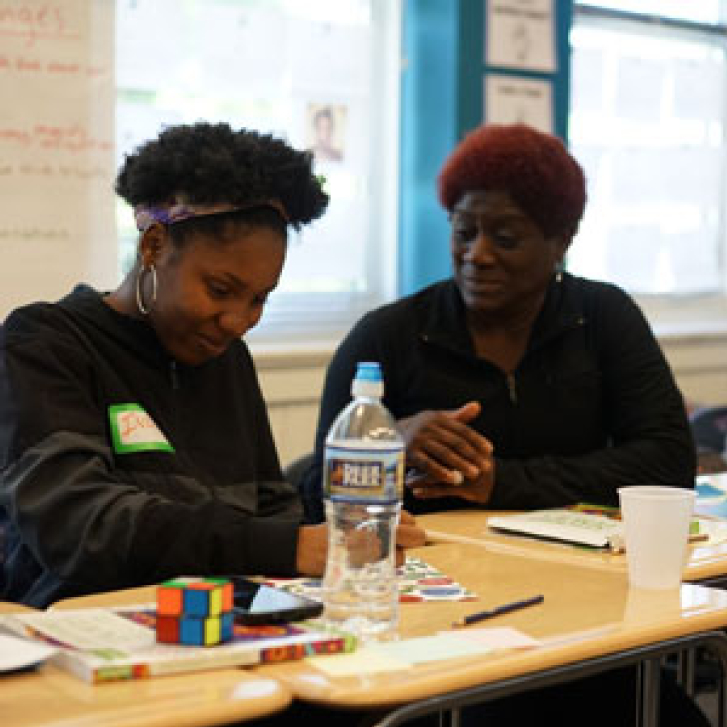
Black children experience racial discrimination in academic environments that actively deplete their self-worth. By accessing the cultural knowledge of Black parents, Village of Wisdom co-designed a liberatory approach to education.

To reduce mortality for people experiencing cardiovascular health disparities, new innovations in health care must be implemented with strategic partnerships that involve trusted organizations and community members.

Equity must be integrated into implementation research and practice. Here are 10 recommendations for putting equitable implementation into action.

Police violence leads to worse educational outcomes and youth mental health in the immediate vicinity of incidents.

Neighborhood investment trusts can help create more inclusive economies in cities and restore the fabric of US democracy.

Not only do Black-led nonprofits need lasting and long-term support, but philanthropy needs to wrestle with its past failures to invest in the very communities we claim to be working for.

Schools must help liberate their students and their families from social injustice and support the revitalization and sustainability of their communities and environment.

The Black protests of the US civil rights era influenced the national political agenda via the media coverage they received.

Racial inequality exacerbates the oppressive scheduling faced by service sector workers.